
If your blanket is finished but somehow still looks a little unfinished, these blanket edging crochet patterns are exactly what you need. A border is the small detail that pulls a project together — it evens out wobbly edges, hides starting-and-stopping bumps, and turns a plain throw into something that feels intentional. Even a single round of single crochet can completely change how a piece reads.
Below you’ll find 27 free patterns that range from one-row quick fixes to showpiece edges with picots, shells, bobbles, and ruffles. Whether you’re racing to finish a project tonight or planning a heirloom-worthy edge for an heirloom-worthy blanket, there’s something here for you. They pair nicely with motif projects too — if you’re finishing a stack of granny square patterns, an edging is what stitches the whole thing into a polished blanket.
Table of Contents
- Simple & Beginner Borders
- 1. Crochet Simple Shell Border
- 2. Lullaby Lodge Simple Shell Border
- 3. Easy Shell Border Stitch
- 4. Beginner Picot Stitch Border
- 5. Three Crochet Borders to Finish Off Your Project
- Scalloped & Shell Edgings
- 6. Scalloped Shell Stitch Border
- 7. Reverse Shell Border in Single Crochet
- 8. Treble Scallop Edging
- 9. Triple Picot Border
- 10. Simple Picot Scallops Border
- Picot, Ruffle & Lace Borders
- 11. Crochet Picot Edging
- 12. Juniper & Oakes Picot Border
- 13. Easy Picot Crochet Borders (Four Variations)
- 14. Picot Stitch Tutorial — 6 Ways
- 15. Ruffled Edge Blanket Border
- 16. Easy Crochet Ruffle Edge
- Textured & Decorative Borders
- 17. Crab Stitch (Reverse Single Crochet)
- 18. Heart Hook Home Crab Stitch
- 19. Annie Design Crab Stitch Border
- 20. Bobble Border (Zigzag)
- 21. Crochet Bobble Border Pattern
- 22. Simple Crochet Bobble Border
- Special-Occasion & Themed Borders
- 23. Crochet Bobble Edging (Baby Blanket)
- 24. Heirloom Picot Edging
- 25. Sam Bartley Crab Stitch
- 26. Bump-Out Crab Stitch Border
- 27. Heart C2C Ruffle Border
- Frequently Asked Questions
Simple & Beginner Borders
Start here if you just want your blanket to look done. These borders use single crochet, double crochet, and the most forgiving repeats — no fancy stitches, no charts, just a clean finish.
1. Crochet Simple Shell Border
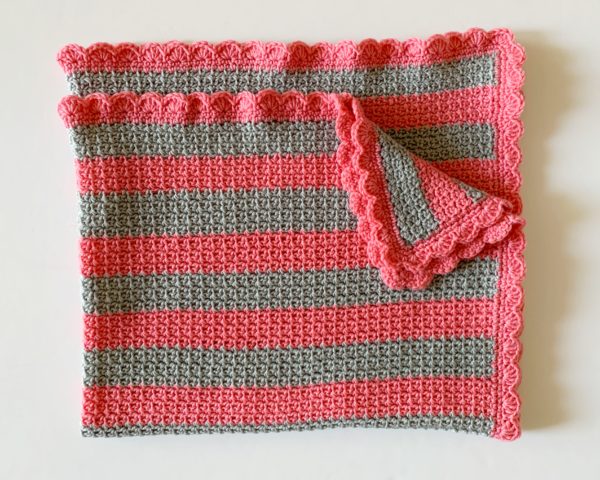
Daisy Farm Crafts shares a no-fuss two-row shell edging that begins with a foundation round of single crochet and then drops a small shell into every third stitch. The repeat is forgiving, so you can squeeze it onto almost any stitch count, and it looks especially polished on solid-color throws where the gentle scallops can stand out.
2. Lullaby Lodge Simple Shell Border
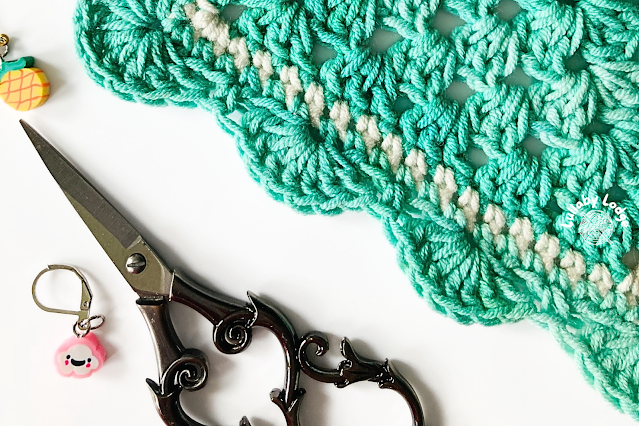
This beginner-friendly border from Lullaby Lodge uses only single and double crochet, so it’s a great first edging if you’re nervous about more decorative stitches. It works directly onto granny squares or any finished crocheted piece in DK or aran weight, and the result is a soft, gently arched scallop that finishes baby blankets and throws beautifully.
3. Easy Shell Border Stitch
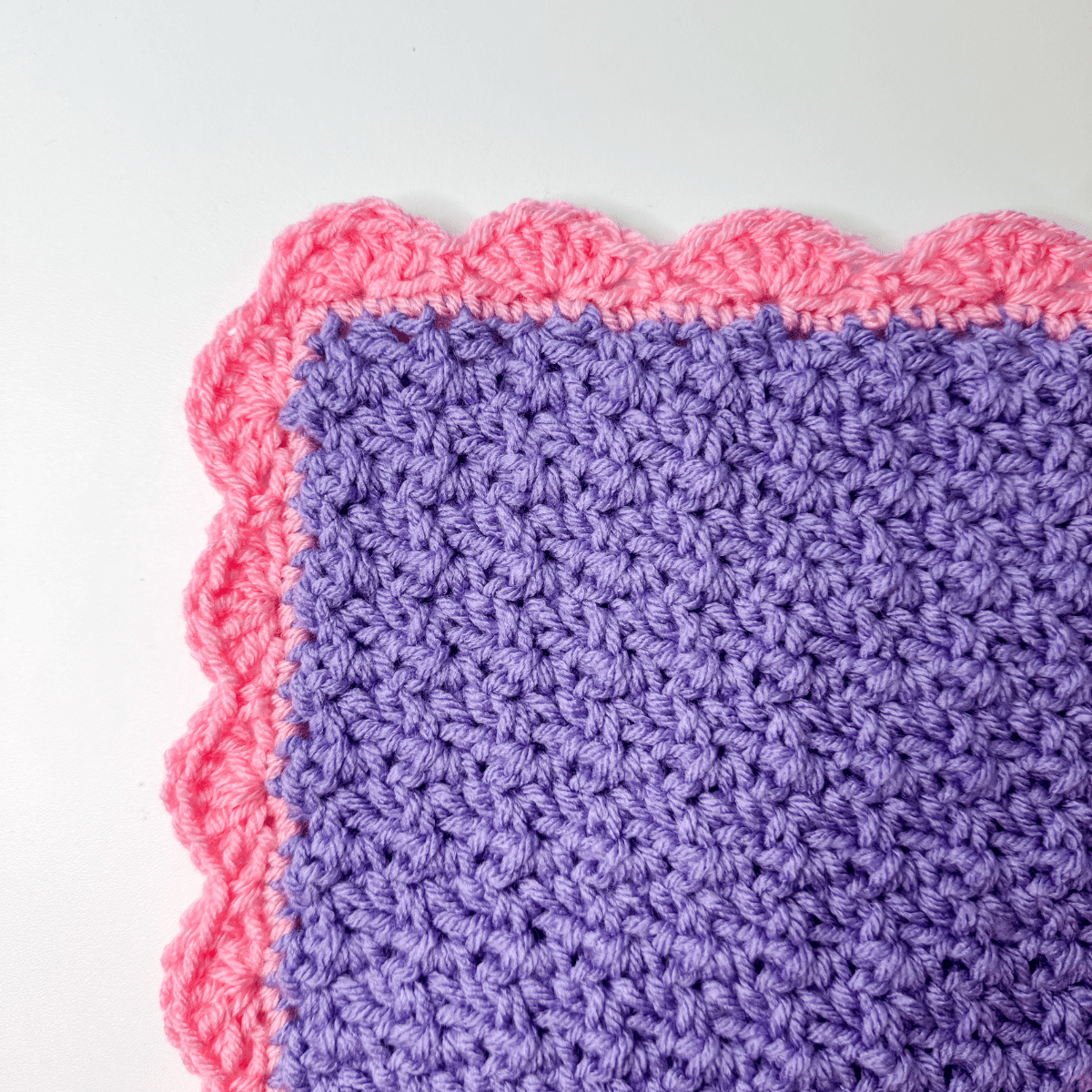
Okie Girl Bling N Things designed this simple shell border specifically for adding around blankets and shawls. It’s worked in worsted weight with a relaxed, even repeat, and you can finish a baby blanket border in an afternoon. A great pick if you want one round to do all the work without any complicated stitch counting.
4. Beginner Picot Stitch Border

Jewels and Jones walks beginners through the picot stitch border with step-by-step photos, so even total newcomers can follow along. The picot itself is just a chain-3 followed by a slip stitch — fast to learn, and it adds a tiny pointed bump that gives even a plain blanket a hint of vintage charm. Stitch multiple is 3 + 1.
5. Three Crochet Borders to Finish Off Your Project

Black Sheep Wools rolls three quick borders into one tutorial, which makes it a perfect bookmark if you’re not sure which finish suits your project yet. Each option uses simple stitches and works on most blanket sizes, so you can audition all three on a swatch before committing. A handy starting point for anyone building a personal stash of go-to edgings.
Scalloped & Shell Edgings
Shells are the classic blanket border for a reason — they soften every edge and look more complicated than they are. These options range from a tidy mini-scallop to a tall, lacy treble that practically becomes the focal point.
6. Scalloped Shell Stitch Border

Tamara from Moogly demonstrates a feminine scalloped border that uses a multiple-of-four repeat: single crochet, skip, five double crochet shell, skip, repeat. It’s beginner-friendly and forgiving, so it adapts well to most stitch counts on blankets, hats, and even little girls’ dresses. Stitch multiple is 4.
7. Reverse Shell Border in Single Crochet
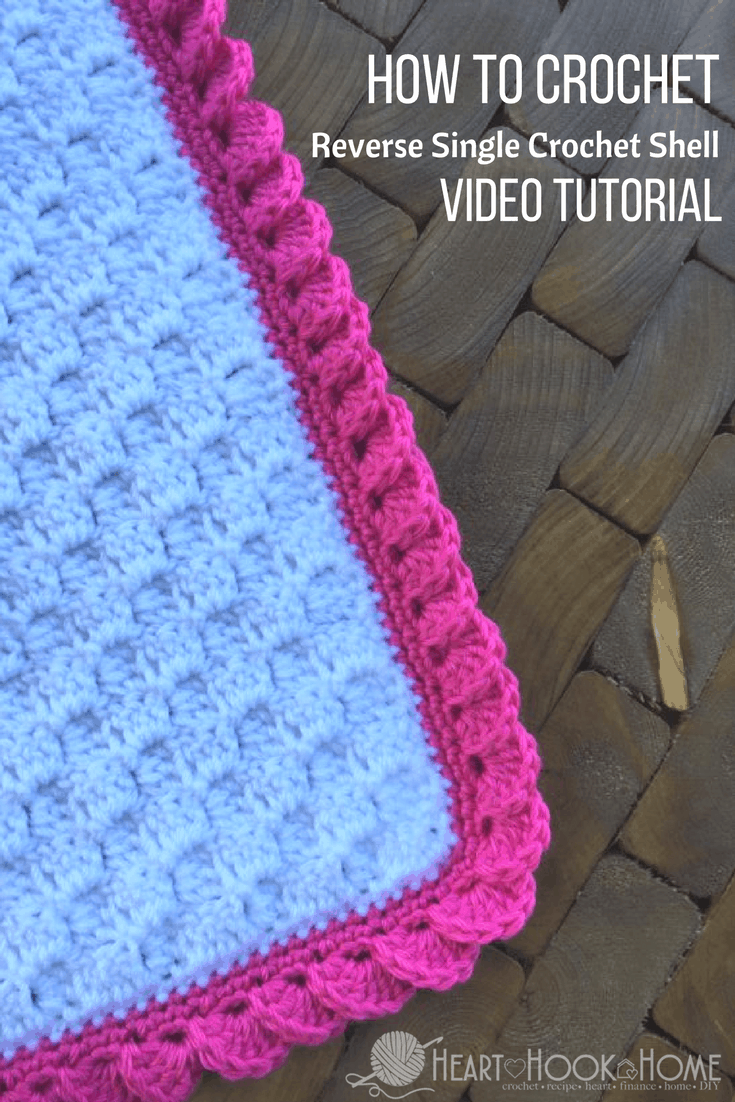
Heart Hook Home flips the classic shell upside down for an inverted, gently arched edge worked entirely in single crochet, double crochet, and slip stitch. It works on a multiple of three, and it’s especially popular for finishing baby blankets where a softer, less-bouncy scallop feels more delicate than a full-blown shell.
8. Treble Scallop Edging

Cypress Textiles uses tall treble crochet stitches with picots tucked between each shell for a noticeably taller, more dramatic finish. It works in a single round and looks especially pretty on lightweight DK blankets where the lace-like points have room to stand out. A lovely upgrade once basic shells feel too quiet.
9. Triple Picot Border

Crafting Happiness designed this ornamental edging from triple picot clusters separated by slip stitches, and it photographs beautifully on solid-color blankets. The repeat works on any project shape — no special corner adjustments required — which makes it a stress-free choice if you’re nervous about turning corners cleanly. Beginner skill level with a video tutorial included.
10. Simple Picot Scallops Border

Crafting Happiness combines two crowd-favorites — picots and scallops — into one tidy border that suits modern and classic blankets alike. The pattern includes a video and a step-by-step photo tutorial, and the picots add just enough texture to lift the scallops without making the edge feel busy. Beginner-friendly.
Picot, Ruffle & Lace Borders
If you want delicate or dressy, this is the section. Picots add tiny pointed bumps, ruffles add full frilly volume, and lace borders give the kind of finish that turns a throw into a keepsake.
11. Crochet Picot Edging

Selina Veronique offers a neat picot edging with both written instructions and a video tutorial, so visual learners can follow along easily. It’s an approachable option that suits beginners but still looks elegant on more polished projects. A great pick when you want a touch of texture without any fuss.
12. Juniper & Oakes Picot Border
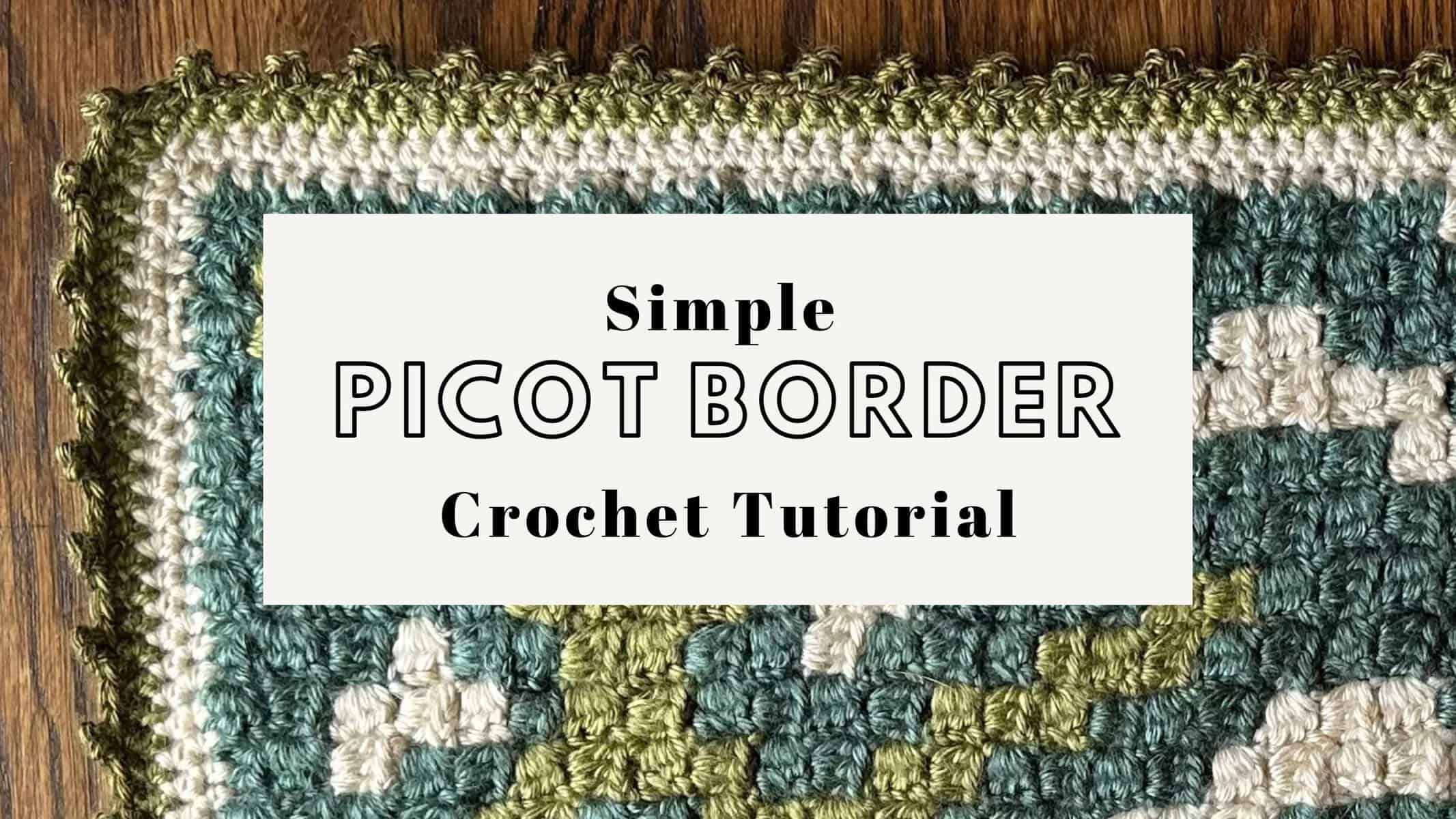
Juniper & Oakes shares a more advanced picot tutorial with a romantic, almost lace-like finish — perfect once you’ve practiced the basic version and want something a little more special. The added detail makes this border especially lovely on shawls, christening blankets, and other heirloom pieces. Stitch multiple is 3 + 1.
13. Easy Picot Crochet Borders (Four Variations)

Twisted Yarns rolls four very easy picot borders into one tutorial, each with its own personality. You’ll learn a tiny picot, a chunky picot, a stretched picot, and a picot-on-shell — perfect for collecting a handful of go-to edgings and choosing the right one project by project. Easy skill level.
14. Picot Stitch Tutorial — 6 Ways

Desert Blossom Crafts goes deep with six different picot variations in a single tutorial, plus instructions for designing your own custom picot borders. It’s a great resource if you love mixing and matching stitch elements, and the photos make it easy to see exactly how each version sits on a finished edge.
15. Ruffled Edge Blanket Border

Crafting Happiness shares a quick, beginner-friendly ruffle that’s worked by stuffing extra stitches into each base stitch — the more you add, the bigger the frill. It’s a sweet finish for baby blankets, girls’ throws, and any project that wants a soft, dressy edge. Photo and video tutorials are both included.
16. Easy Crochet Ruffle Edge

Dream a Little Bigger demonstrates a fast ruffled edging that’s about as easy as crochet gets — perfect when you want maximum drama for minimum effort. It works great on lap blankets, baby blankets, and even pillow covers, and it pairs especially well with a contrasting yarn color to make the ruffle pop.
Textured & Decorative Borders
Now for the borders with personality. Crab stitch creates a twisted-rope finish, bobbles add 3D pop, and these patterns prove that texture alone can make a blanket feel custom-made.
17. Crab Stitch (Reverse Single Crochet)

Joy of Motion’s tutorial breaks down crab stitch — a backwards single crochet worked left to right for right-handers — into a one-round border that adds a chunky, twisted-rope edge. It’s an instant upgrade for blankets, scarves, and hats, and once you’ve done a few inches the rhythm becomes second nature. Easy skill level, worsted weight.
18. Heart Hook Home Crab Stitch
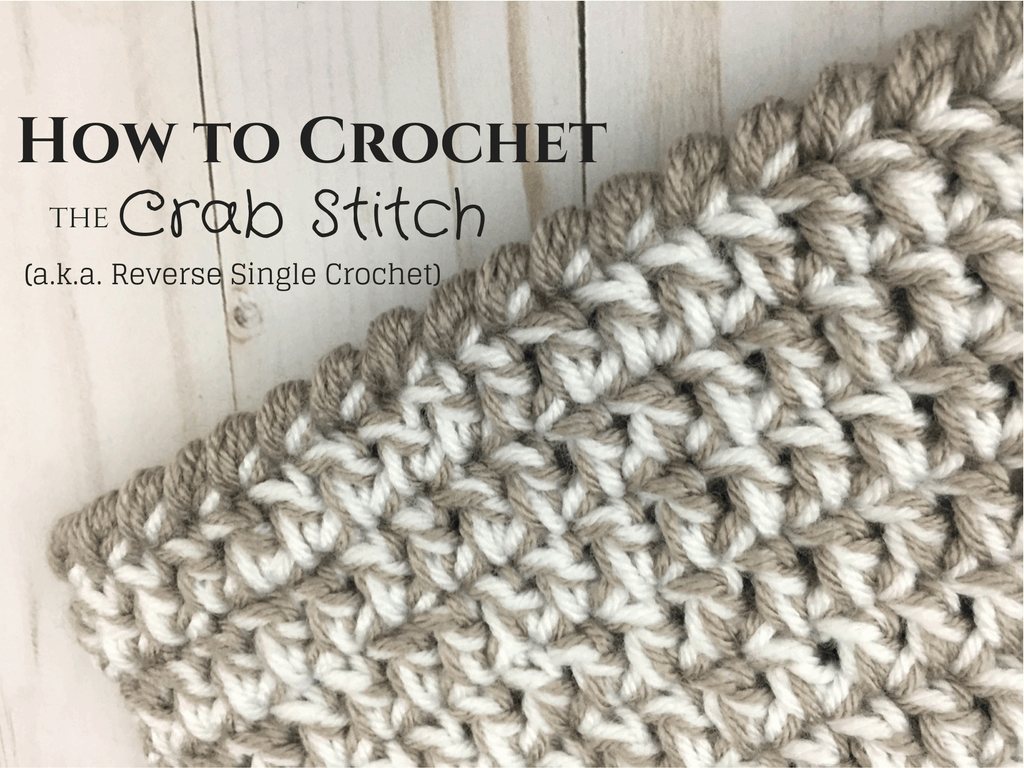
Heart Hook Home calls crab stitch the easiest crochet border ever, and after one round you’ll see why. The video tutorial shows exactly how to keep the stitches even, which is the only tricky part, and the finished texture looks almost like a tiny knit cord wrapped around your blanket. Beginner-friendly.
19. Annie Design Crab Stitch Border

Annie Design Crochet’s tutorial nails the technique with crisp photos and a step-by-step video, plus pointers for keeping the tension consistent so the rope effect stays even. The finished edge looks like twisted rope and gives any blanket a tidy, professional finish in just one round. A solid pick for first-time crab stitchers.
20. Bobble Border (Zigzag)

You Should Craft turns the standard bobble into a playful zigzag border, with bobbles staggered so they form a soft chevron rhythm along the edge. The photo and video tutorials walk you through each step, and the result works beautifully on blankets, baskets, and even chunky garments. A confident textured upgrade.
21. Crochet Bobble Border Pattern
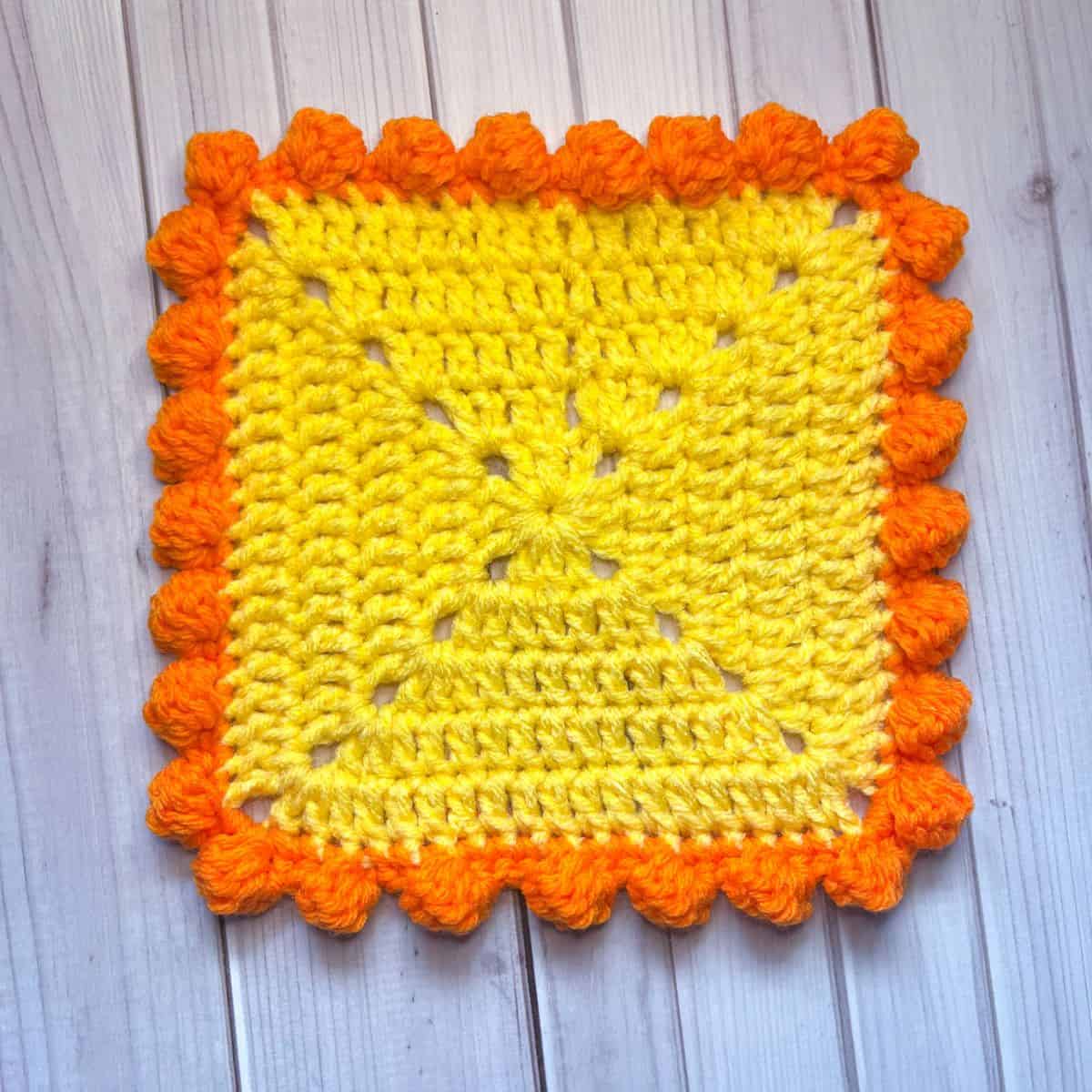
The Caffeinated Snail shares a beginner-friendly bobble border that pops 3D bumps along your blanket without much fuss. It’s worked in worsted weight, and the tutorial includes both written and visual guidance so you can match the look exactly. A great way to add visual interest without learning brand-new stitches.
22. Simple Crochet Bobble Border

Zeens and Roger keeps the bobble border as simple as possible while still delivering plenty of texture. It’s a sweet edging for favorite blankets and shawls, and the bobbles sit close together so the finished edge feels rich and tactile without becoming heavy. Pairs especially well with worsted-weight throws.
Special-Occasion & Themed Borders
These edgings have an angle — a baby-blanket softness, a polished frame for an heirloom piece, or a literal heart-shaped finish. Save them for projects that deserve something a little extra.
23. Crochet Bobble Edging (Baby Blanket)
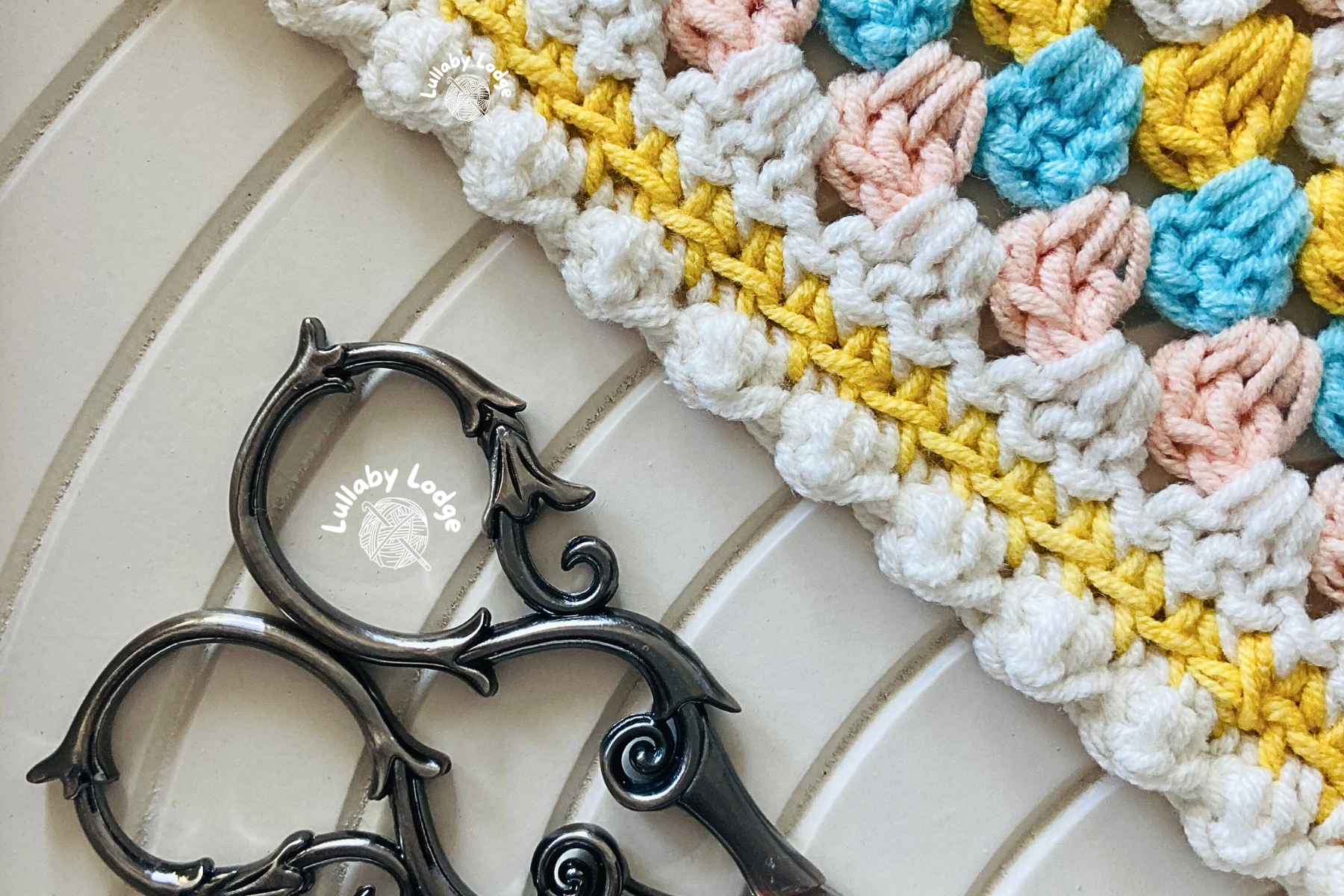
Lullaby Lodge designed this textured bobble border specifically with baby blankets in mind, popping 3D bumps every few stitches against a single crochet base. It uses only single crochet, double crochet, and slip stitch — no specialty stitches required — so it’s beginner-friendly while still looking playful and dimensional. Works in DK or aran weight.
24. Heirloom Picot Edging

Hooks Books Wanderlust’s picot tutorial focuses on the simple execution of a beautifully detailed edge — perfect for projects you want to feel a little fancy. The trickiest part is the slip stitch, but once you’ve practiced that, the rest of the picot adds a delicate finish that’s well-suited to christening blankets and gift pieces.
25. Sam Bartley Crab Stitch

Sam Bartley Designs walks you through a beginner-friendly crab stitch that lands somewhere between traditional and modern — great for finishing minimalist blankets where you want texture without color contrast. Worked in worsted weight, the twisted rope effect frames a solid-color throw beautifully and reads as a sophisticated detail.
26. Bump-Out Crab Stitch Border

GoodKnit Kisses calls this version a “bump-out” crab stitch because of the chunky raised texture it creates, and it’s a wonderful contrast finish in a coordinating color. The video tutorial shows how to keep the stitches even, and the result works equally well on crochet and knit projects when you want a pop of texture along the edge.
27. Heart C2C Ruffle Border

Daisy Farm Crafts pairs a sweet corner-to-corner heart blanket with a soft ruffle border, creating a finish that’s playful and gift-worthy all at once. The ruffle uses a single crochet foundation with three single crochets in each corner, then doubles up stitches to create the frill. A favorite for valentine’s day blankets, baby showers, and themed throws.
Frequently Asked Questions
Do I need to add a border to a crochet blanket?
It’s optional, but adding a border is one of the easiest ways to take a finished blanket from “homemade” to “handmade.” A border evens out the edges, hides any wobbly starts and stops, and gives the whole project a clean, intentional frame. Even a single round of single crochet counts — you don’t need anything fancy unless you want to.
What is the easiest crochet border for a blanket?
A round of single crochet is the simplest place to start, especially if you put three single crochets into each corner so the blanket lays flat. Once you’ve practiced that, slip stitch and reverse single crochet (crab stitch) are the next easiest steps up — both are one-round borders that look polished without requiring any new stitches. They’re great choices for absolute beginners who just want a tidy edge.
How do I stop my crochet border from ruffling or cupping?
This comes down to stitch count: too many stitches and your border will ruffle, too few and it will cup. The fix is to always work a foundation round of single crochet first (with three single crochets in each corner so it lays flat), then check that your decorative repeat matches the right stitch multiple — for example, shells often need a multiple of 6 + 1, while picots usually need a multiple of 3 + 1. If your border still ruffles, take a few stitches out on the next round; if it cups, add a few in. Switching to a smaller hook for a too-loose border (or a larger hook for a too-tight one) is another quick fix. And don’t change yarn weights between blanket and border — that’s the most common cause of wavy edges.
What yarn and hook should I use for a blanket border?
Match the yarn weight and hook size of the blanket itself — that’s the most important rule. Switching colors is fine and can add a lovely pop of contrast, but switching weights is the single biggest cause of borders that don’t sit flat. If you only have a slightly heavier or lighter yarn, drop or add a hook size to compensate, and always swatch a small section of border before committing to a whole blanket’s worth.
Save your favorite borders to your crochet board so you can find them again the next time a blanket needs finishing, and try one tonight on whatever throw is closest to done. We’d love to see how your edging turns out — pin it, share it, and most of all, enjoy the moment your blanket finally looks finished.
